Source Sweat Absorption Hair Ribbon for Yoga Running Cycling
Compare 30 listings for sweat absorption hair ribbon suitable for yoga, running, and cycling. Options include woven polyester ribbons and plastic headbands with varying widths and styles for daily use or sports.
Key considerations
Products List


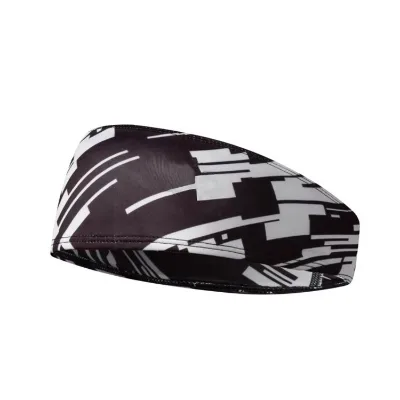


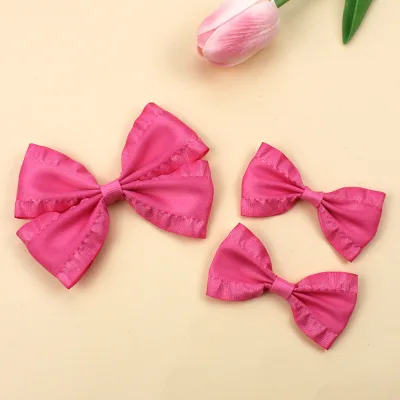


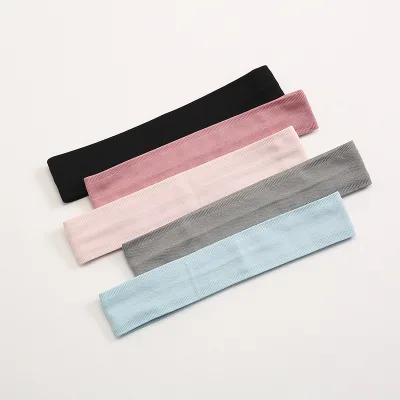
Comprehensive Sourcing Guide
Strategic Sourcing Guide for Sweat Absorption Hair Ribbons
Understanding Product Variants and Material Composition
When sourcing sweat absorption hair ribbons, buyers must first distinguish between the specific functional requirements of the product and the diverse material compositions available in the market. The core keyword implies a need for moisture management, yet the supplied data reveals a spectrum of materials ranging from Polyester to Plastic. Polyester is a dominant material in this category, often selected for its woven construction which provides durability and a smooth surface suitable for embroidery or weaving applications. This material choice is particularly relevant for products designed as ribbons, where the fabric type is frequently identified as Satin. The satin finish offers a luxurious aesthetic while maintaining the structural integrity required for athletic or daily use.
However, a critical observation in the current market landscape is the presence of plastic-based alternatives. These items, often categorized as elastic hair bands or functional accessories for creating high-crown hairstyles, utilize plastic materials that prioritize shape retention over breathability. For a buyer specifically seeking "sweat absorption," the woven polyester options generally present a more viable solution due to the inherent properties of textile fibers compared to solid plastic. The distinction is vital because the application dictates the material; a ribbon intended for yoga or running requires the moisture-wicking capabilities of woven fabric, whereas a plastic accessory might serve a purely decorative or structural purpose without absorption properties. Buyers should verify the specific material composition of each SKU to ensure it aligns with the functional goal of sweat management.
Technical Specifications and Dimensional Standards
Precision in technical specifications is paramount when procuring hair ribbons that must perform under physical stress. The market data indicates a wide range of dimensional standards that directly impact the product's utility. Width is a primary specification, with observed ranges extending from 5cm to 8cm. A 5cm width is often suitable for general headbands or decorative ribbons, while an 8cm width may provide better coverage and stability for intense physical activities like running or cycling. Length specifications also vary significantly, with some products standardized at 25.5cm by 7.5cm, while others offer extended lengths such as 150cm or adjustable ranges from 24cm to 42cm.
The construction method, specifically the "Woven" technique, is a key technical attribute that influences the product's performance. Woven fabrics typically offer superior tensile strength compared to knitted alternatives, making them ideal for the "Fixed Hair" function required in sports scenarios. Furthermore, the style of the ribbon, whether Double Face or Single Face, affects the visual presentation and the durability of the printed or embroidered designs. For buyers focusing on sweat absorption, the weave density and the fabric type (Satin) are critical indicators of how well the material will handle moisture. It is essential to request detailed technical sheets that confirm the thread count and weave pattern, as these factors determine the rate of evaporation and the comfort level during prolonged wear. The "One Size Fits All" specification suggests a universal design, but the actual elasticity and stretchability must be verified to ensure a secure fit for various head sizes without slipping.
Cost Drivers and Pricing Dynamics
The pricing structure for sweat absorption hair ribbons is influenced by several interconnected factors, primarily material costs, customization levels, and order volume. The observed price range in the market spans from $0.01 to $5.00 USD, a broad spectrum that reflects the diversity in product quality and complexity. At the lower end of this range, products are likely to be simple, non-customized items made from standard polyester or plastic with minimal packaging. Conversely, prices approaching the upper limit often correlate with high-quality satin weaves, custom embroidery, and specialized packaging solutions.
Customization is a significant cost driver in this category. The availability of customization options, including logo printing and specific color selections (Red, Green, Blue, Pink, Purple, Black), adds value but also increases the unit cost. Buyers must weigh the benefits of branding against the budget constraints. Additionally, the Minimum Order Quantity (MOQ) plays a crucial role in the final landed cost. The market data shows an MOQ range from 15 to 20,000 units. Smaller MOQs, such as 50 or 15 units, are ideal for startups or test runs but typically carry a higher per-unit price due to the setup costs involved in production. Larger orders, potentially reaching 20,000 units, allow for economies of scale, significantly reducing the cost per unit.
Packaging requirements also contribute to the overall cost. Options range from simple poly bags to more robust solutions involving hard carton boxes or backcards. The choice of packaging not only affects the shipping weight and volume but also the perceived value of the product. For B2B procurement, understanding these cost drivers allows buyers to negotiate more effectively. It is advisable to analyze the total cost of ownership, including shipping and potential rework costs, rather than focusing solely on the unit price. The supply capacity of 20,000 rolls per day indicates a robust production environment, which can help stabilize prices during high-demand periods, provided the order volume aligns with the supplier's capacity.
Compliance, Certification, and Quality Assurance
In the realm of textile and hair accessory procurement, compliance and quality assurance are non-negotiable, especially for products intended for sports and active lifestyles. While the supplied data mentions a low-confidence background reference to ISO 9001, buyers should not assume certification status without explicit verification. Instead, the focus should be on verifying the quality standards and testing protocols of the specific supplier. The "High Quality" attribute is frequently listed, but this is a subjective claim that must be substantiated through objective testing.
Buyers should request documentation regarding material safety and durability. For products used in sports like yoga, running, and cycling, the ribbons must withstand repeated stretching, washing, and exposure to sweat without degrading. The "Durable" characteristic mentioned in the data should be validated through tensile strength tests and colorfastness evaluations. Since the products are suitable for various occasions, including daily use and travel, the materials should be free from harmful substances that could cause skin irritation.
Quality control processes should be a central part of the supplier evaluation. Buyers should inquire about the supplier's in-house testing capabilities and their adherence to international standards. While specific test results are not provided in the source data, the expectation is that suppliers will have protocols to ensure consistency in width, length, and color accuracy. The "High Quality" designation should be cross-referenced with the supplier's track record and customer feedback. Additionally, the production origin, identified as Zhejiang, China, is a major hub for textile manufacturing, known for its efficiency and scale. However, buyers must ensure that the specific factory meets their quality expectations through on-site audits or third-party inspections.
Supplier Evaluation and Production Capacity
Evaluating suppliers for sweat absorption hair ribbons requires a deep dive into their production capabilities and logistical readiness. The data indicates a substantial supply capacity of 20,000 rolls per day, suggesting that the market includes large-scale manufacturers capable of handling significant order volumes. This capacity is a strong indicator of reliability, particularly for buyers with high-volume requirements or tight deadlines. However, capacity alone does not guarantee quality; the supplier's ability to maintain consistency across large batches is equally important.
Lead time is another critical factor in supplier evaluation. The availability of a 7-day sample order lead time is a positive attribute, allowing buyers to quickly assess product quality and fit before committing to a larger order. This rapid turnaround can be crucial for time-sensitive projects or seasonal launches. Buyers should verify if this lead time applies to all customization levels or if complex designs require additional time.
The location of the supplier, specifically Zhejiang, China, offers advantages in terms of supply chain integration and cost efficiency. This region is well-established for textile production, providing access to raw materials and skilled labor. However, buyers should also consider the logistical implications of shipping from this location, including transit times and potential tariffs. The packaging methods, such as the use of poly bags and hard carton boxes, should be evaluated for their ability to protect the product during transit. A supplier with robust packaging practices reduces the risk of damage and ensures that the product arrives in pristine condition.
Typical Applications and Market Segmentation
The versatility of sweat absorption hair ribbons makes them suitable for a wide range of applications, from high-intensity sports to everyday fashion. The data highlights several key use cases, including yoga, running, cycling, and general daily use. For athletes, the primary function is to keep hair secure and dry, preventing sweat from dripping into the eyes. This functional requirement aligns with the "Fixed Hair" and "Sweat Absorption" attributes, making these products essential for sports enthusiasts.
In the fashion sector, the ribbons serve as stylish accessories. The availability of various colors, such as red, green, blue, pink, purple, and black, allows for customization to match specific outfits or brand identities. The "Fashion" style and "Youth" and "Adult" suitability indicate a broad market appeal. The "Whole Year" seasonality suggests that these products are not limited to summer months but are in demand year-round, particularly for indoor sports and fashion-forward consumers.
The market segmentation also includes specific niches like travel and salon use. Products designed for creating high-crown hairstyles or those with "Easy Operation" features cater to consumers looking for convenience and style. The "Flowers" shape and "Elastic Hair Bands" types offer additional variety for those seeking decorative elements. Understanding these diverse applications helps buyers tailor their sourcing strategy to meet the specific needs of their target audience. Whether the focus is on performance for athletes or aesthetics for fashion-conscious consumers, the ability to customize and the range of available styles are key differentiators in the market.
Long-Term Procurement Considerations and Sustainability
For buyers looking to establish long-term partnerships, sustainability and scalability are critical considerations. The "Sustainable" feature listed in the data suggests that some suppliers are incorporating eco-friendly practices into their production processes. This could involve the use of recycled polyester or environmentally friendly dyeing methods. Buyers should investigate the specific sustainability claims of potential suppliers to ensure they align with their corporate social responsibility goals.
Scalability is another important factor. The high supply capacity of 20,000 rolls per day indicates that suppliers can scale production to meet growing demand. However, buyers should also consider the flexibility of the supplier to adapt to changing market trends. The ability to offer custom designs, varied colors, and different packaging options ensures that the supplier can remain relevant as consumer preferences evolve.
Long-term procurement also involves building a resilient supply chain. Diversifying suppliers and maintaining a buffer stock can mitigate risks associated with supply disruptions. The 7-day sample lead time provides a valuable opportunity to test new suppliers and products without significant commitment. By maintaining a relationship with suppliers who offer high-quality, customizable, and sustainable products, buyers can ensure a steady supply of sweat absorption hair ribbons that meet their evolving needs. The focus should be on building a partnership based on mutual trust, quality assurance, and shared values, rather than just transactional exchanges.
FAQs
What materials are used for sweat absorption hair ribbons?
Most sweat absorption hair ribbons are made from woven polyester fabric, which offers durability and moisture management. Some alternatives use plastic for structural shape retention, but textile fibers are generally preferred for absorption. Buyers should verify the specific material composition to ensure it aligns with functional goals.
Can I customize the color and logo on these ribbons?
Customization is available for colors like red, green, blue, pink, purple, and black, as well as for logo printing. However, some specific models may be listed without logo printing options. Buyers should confirm customization capabilities with the supplier before placing an order to ensure branding requirements are met.
What is the typical minimum order quantity for these products?
The minimum order quantity ranges from 15 to 20,000 units depending on the specific supplier and product model. Some items have an MOQ of 50 units, while others may require larger volumes. Smaller MOQs are suitable for startups, whereas larger orders often reduce the per-unit cost through economies of scale.
How long does it take to receive a sample order?
A 7-day sample order lead time is supported for many products in this category. This allows buyers to quickly assess product quality and fit before committing to a larger order. Buyers should verify if this lead time applies to all customization levels or if complex designs require additional time.
Which specifications are available for width and length?
Widths typically range from 5cm to 8cm, while lengths vary from 25.5cm to 150cm or adjustable ranges like 24-42cm. Specific models may have fixed standards such as 25.5cm by 7.5cm. Buyers must request detailed technical sheets to confirm thread count and weave patterns for performance verification.
Where are these hair ribbons manufactured?
The products originate from Zhejiang, China, a major hub for textile manufacturing known for efficiency and scale. This location offers advantages in supply chain integration and cost efficiency. Buyers should consider logistical implications of shipping from this region, including transit times and potential tariffs.